2026–2028 Cohort · Applications are now open
Family Medicine Residency Program
A two-year clinical training program for family medicine physicians (general practitioners) based at AKFA Medline University Hospital and Social by AKFA.
2 years
80 seats
Start: October 5, 2026
Application period: July 20 – August 25, 2026 · Classes start: October 5, 2026
2026–2028 Cohort · Applications are now open
Family Medicine Residency Program
A two-year clinical training program for family medicine physicians (general practitioners) based at AKFA Medline University Hospital and Social by AKFA.
2 years
80 seats
$5,000/year
Start: October 5, 2026
Application period: July 20 – August 25, 2026 · Classes start: October 5, 2026
Application period: July 20 – August 25, 2026 · Classes start: October 5, 2026
2026–2028 Cohort · Admissions are now open
Family Medicine Residency Program
Family Medicine
Residency Program
Family Medicine Residency Program
A two-year clinical training program for family medicine physicians (general practitioners) based at AKFA Medline University Hospital and Social by AKFA.
A two-year clinical training program for family medicine physicians (general practitioners) based at AKFA Medline University Hospital and Social by AKFA.
2 years
80 seats
Start: October 5, 2026
Applications extended to 31 August 2026 · Entrance test 7 September · Classes begin 5 October 2026
Program
General Information
Program
General Information About the Program
2 years
Duration
80
places
19
clinical modules
79%
clinical practice
1:4
mentor : residents
3.456
hours of instruction
2 years
Duration
80
places
19
clinical modules
79%
clinical practice
1:4
mentor : residents
3.456
hours of instruction
Program
General Information About the Program
2 years
Duration
80
places
19
clinical modules
79%
clinical practice
1:4
mentor : residents
3.456
hours of instruction


Duration
Duration
2 years
2 years
Practice
Practice
AMUH, Social by AKFA
AMUH, Social by AKFA
Location
Location
Tashkent, Uzbekistan
Tashkent, Uzbekistan
Languages of Instruction
Languages of Instruction
English, Uzbek
English, Uzbek
Quota:
Quota:
80 seats
80 seats
Applications submitted:
Applications submitted:
236
236
About the program
About the program
Program Goals and Objectives
Program Goals and Objectives
The Family Medicine Residency Program is implemented by Central Asian University in cooperation with AKFA Medline University Hospital and Social by AKFA. The goal of the program is to train qualified family physicians capable of independently conducting medical practice in outpatient settings.
The curriculum has been developed in accordance with international standards of ACGME (USA), WONCA Europe, RCGP (UK), and KBV (Germany). The total training volume is 3,456 academic hours, with 79% dedicated to clinical practice with real patients.
Upon completion of the program, graduates receive the qualification of "family physician" with the right to conduct independent medical practice and targeted employment at Social by AKFA.
The Family Medicine Residency Program is implemented by Central Asian University in cooperation with AKFA Medline University Hospital and Social by AKFA. The goal of the program is to train qualified family physicians capable of independently conducting medical practice in outpatient settings.
The curriculum has been developed in accordance with international standards of ACGME (USA), WONCA Europe, RCGP (UK), and KBV (Germany). The total training volume is 3,456 academic hours, with 79% dedicated to clinical practice with real patients.
Upon completion of the program, graduates receive the qualification of "family physician" with the right to conduct independent medical practice and targeted employment at Social by AKFA.
The Family Medicine Residency Program is implemented by Central Asian University in cooperation with AKFA Medline University Hospital and Social by AKFA. The goal of the program is to train qualified family physicians capable of independently conducting medical practice in outpatient settings.
The curriculum has been developed in accordance with international standards of ACGME (USA), WONCA Europe, RCGP (UK), and KBV (Germany). The total training volume is 3,456 academic hours, with 79% dedicated to clinical practice with real patients.
Upon completion of the program, graduates receive the qualification of "family physician" with the right to conduct independent medical practice and targeted employment at Social by AKFA.

Program Features
Key specifications
Clinical integration
Clinical practice constitutes 79% of the curriculum. Residents work with patients throughout the entire program, starting from the very first stage of training.
Clinical practice constitutes 79% of the curriculum. Residents work with patients throughout the entire program, starting from the very first stage of training.
Targeted Employment
The program is implemented in partnership with Social by AKFA. Graduates are employed in the position of family physician.
The program is implemented in partnership with Social by AKFA. Graduates are employed in the position of family physician.
International standards
The curriculum complies with the requirements of the ACGME (USA), WONCA Europe, RCGP (UK), and KBV (Germany).
The curriculum complies with the requirements of the ACGME (USA), WONCA Europe, RCGP (UK), and KBV (Germany).
Personal mentorship
The ratio of mentors to residents is 1:4. The faculty includes specialists from Uzbekistan, Norway, and the United States.
The ratio of mentors to residents is 1:4. The faculty includes specialists from Uzbekistan, Norway, and the United States.
Scope of Training
3,456 academic hours, 19 educational modules, 96 weeks of study. The program covers all major clinical disciplines.
3,456 academic hours, 19 educational modules, 96 weeks of study. The program covers all major clinical disciplines.
Contract basis
Tuition is $5,000 per year. An installment payment plan is available: 4 payments per year (2 per semester).
Tuition is $5,000 per year. An installment payment plan is available: 4 payments per year (2 per semester).
Program Features
Key specifications
Curriculum
Curriculum
Curriculum Structure
Curriculum Structure
The program consists of three consecutive stages: introductory theoretical and simulation training, first-year clinical rotations, and second-year clinical rotations with a continuity clinic component.
The program consists of three consecutive stages: introductory theoretical and simulation training, first-year clinical rotations, and second-year clinical rotations with a continuity clinic component.
Theoretical and Simulation-Based Training
Stage 0 · Preparatory
Public health, medical ethics and deontology, simulation modules (general surgery, neonatology, intensive care and resuscitation), medical records, legal basis of medical practice, intermediate assessment.
Months 1–3 · Weeks 1–12 · 432 academic hours · Based on AMUH
Theoretical and Simulation-Based Training
Stage 0 · Preparatory
Public health, medical ethics and deontology, simulation modules (general surgery, neonatology, intensive care and resuscitation), medical records, legal basis of medical practice, intermediate assessment.
Months 1–3 · Weeks 1–12 · 432 academic hours · Based on AMUH
First-year rotations
Phase 1 · Clinical
Clinical rotations in core disciplines: Emergency Medicine (8 weeks), Obstetrics and Gynecology (8 weeks), Infectious Diseases (8 weeks), and Pediatrics (12 weeks). Patient care is conducted under the guidance of clinical mentors.
Months 4–12 · Weeks 13–48 · 1,296 academic hours
First-year rotations
Phase 1 · Clinical
Clinical rotations in core disciplines: Emergency Medicine (8 weeks), Obstetrics and Gynecology (8 weeks), Infectious Diseases (8 weeks), and Pediatrics (12 weeks). Patient care is conducted under the guidance of clinical mentors.
Months 4–12 · Weeks 13–48 · 1,296 academic hours
Second-Year Rotations and Independent Practice
Phase 2 · Clinical + Continuity Clinic
Advanced clinical rotations: internal medicine (cardiology, pulmonology, gastroenterology, nephrology, endocrinology), neurology and mental health, minor specialties (dermatovenerology, otolaryngology, ophthalmology), outpatient surgery and traumatology, public health and digital medicine. The final block consists of an independent practice internship and the final assessment.
Months 13–24 · Weeks 49–96 · 1,728 hours · Continuity clinic
Second-Year Rotations and Independent Practice
Phase 2 · Clinical + Continuity Clinic
Advanced clinical rotations: internal medicine (cardiology, pulmonology, gastroenterology, nephrology, endocrinology), neurology and mental health, minor specialties (dermatovenerology, otolaryngology, ophthalmology), outpatient surgery and traumatology, public health and digital medicine. The final block consists of an independent practice internship and the final assessment.
Months 13–24 · Weeks 49–96 · 1,728 hours · Continuity clinic
Distribution of Hours
Distribution of Hours
Theory 50%
Practice 50%
21%
Practice 79%
Theory 50%
Practice 50%
732 hrs theory · 2,724 hrs practice · 3,456 hrs total
732 hrs theory · 2,724 hrs practice · 3,456 hrs total
Candidate requirements
Candidate requirements
Terms of Admission
Terms of Admission
Education
Education
Education
Bachelor's degree in General Medicine / Pediatrics / any other medical fields
Bachelor's degree in General Medicine / Pediatrics / any other medical fields
Bachelor's degree in General Medicine / Pediatrics / any other medical fields
GPA
GPA
GPA
Minimum 2.7
Minimum 2.7
Minimum 2.7
English
English
English
Minimum B1 (recommended, to be verified during the interview)
Minimum B1 (recommended, to be verified during the interview)
Minimum B1 (recommended, to be verified during the interview)
Age
Age
Age
Unlimited
Unlimited
Unlimited
Internship
Internship
Internship
Not required
Not required
Not required
Paramedical diplomas
Paramedical diplomas
Paramedical diplomas
Not accepted
Not accepted
Not accepted
List of documents
List of documents
Upon application
Upon application
Upon application
Cover letter
Cover letter
CV (Curriculum Vitae)
CV (Curriculum Vitae)
Bachelor's Degree (copy)
Bachelor's Degree (copy)
Official Transcript of Records
Official Transcript of Records
Passport / ID + photo
Passport / ID + photo
After selection
Medical Certificate
(Form 086)
Medical Certificate (Form 086)
Certificate from a psychiatric clinic (for citizens of Uzbekistan only)
Medical Certificate (Form 086)
Certificate from a psychoneurological dispensary (for citizens of Uzbekistan only)


Stages of the 2026 Admissions Campaign
Stages of the 2026 Admissions Campaign
July 20
Start of document acceptance
25 August (extended to 31 August)
Document submission deadline
September 7
Testing (GMQ/GP)
10:00, in person, CAU campus
September 8–11
Interview
Slots by number of requests
October 5
Program start
First day of school


Stages of the 2026 Admissions Campaign
July 20
Start of document acceptance
August 25
Document submission deadline
September 7
Testing (GMQ/GP)
10:00, in person, CAU campus
September 8–11
Interview
Slots by number of requests
October 5
Program start
First day of school
Competitive selection
Procedure and Selection Criteria
The candidate's final evaluation is based on a 100-point scale and is comprised of three components:
Testing
40 points
Interview
50 points
Additional points
10 points
The entrance test and interview are conducted in the language of the candidate's choice.
The candidate’s level of English proficiency is assessed during the interview.
Candidates with a GPA below 2.7 are not admitted to the competitive selection process. Degrees in paramedical fields are not considered.
Additional points are awarded for professional certificates, academic awards, volunteer experience, and scientific publications.
Competitive selection
Procedure and Selection Criteria
The candidate's final evaluation is based on a 100-point scale and is comprised of three components:
Testing
40 points
Interview
50 points
Additional points
10 points
The entrance test and interview are conducted in the language of the candidate's choice.
The candidate’s level of English proficiency is assessed during the interview.
Candidates with a GPA below 2.7 are not admitted to the competitive selection process. Degrees in paramedical fields are not considered.
Additional points are awarded for professional certificates, academic awards, volunteer experience, and scientific publications.
Tuition Fees and Payment Procedures
Tuition Fees and Payment Procedures
Annual cost
Annual cost
Annual cost
60,000,000 UZS
60,000,000 UZS
Total Cost (2 years)
Total Cost (2 years)
Total Cost (2 years)
120,000,000 UZS
120,000,000 UZS
Installment plan
Installment plan
Installment plan
4 payments per year (twice a semester)
4 payments per year (twice a semester)
First payment
First payment
First payment
No later than October 5, 2026
No later than October 5, 2026
Grants / Scholarships
Grants / Scholarships
Grants / Scholarships
Not provided
Not provided
Academic staff
Academic staff
Faculty Members
Faculty Members
The training is conducted by practicing specialists with international clinical and academic experience from Uzbekistan, Norway, and the USA.
The training is conducted by practicing specialists with international clinical and academic experience from Uzbekistan, Norway, and the USA.
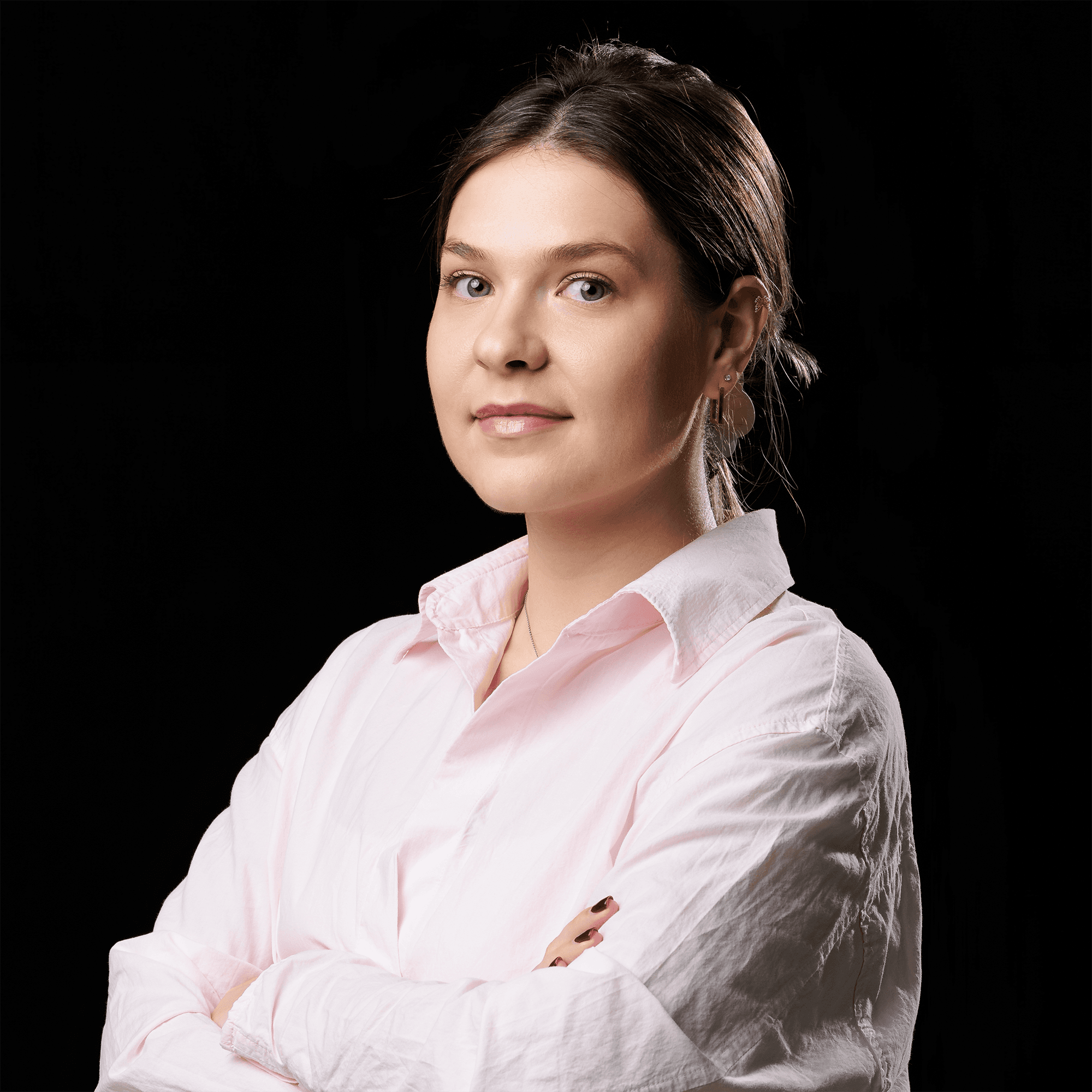
Program Director
Dr. Asmik Kostyunina, MD, MPH
Neonatologist, pediatrician, and Associate Dean of the CAU School of Medicine. International experience with UNICEF.
Program Director
Dr. Asmik Kostyunina, MD, MPH
Neonatologist, pediatrician, and Associate Dean of the CAU School of Medicine. International experience with UNICEF.

Clinical Curator
Inomjon Tashmatov, MD
25+ years of experience in family medicine. Medical Director of the Tashkent International Clinic.
Clinical Curator
Inomjon Tashmatov, MD
25+ years of experience in family medicine. Medical Director of the Tashkent International Clinic.

Surgery (Norway)
Andre Hansesætre, MD
International specialist in general surgery and urology. Oversees surgery modules.
Surgery (Norway)
Andre Hansesætre, MD
International specialist in general surgery and urology. Oversees surgery modules.
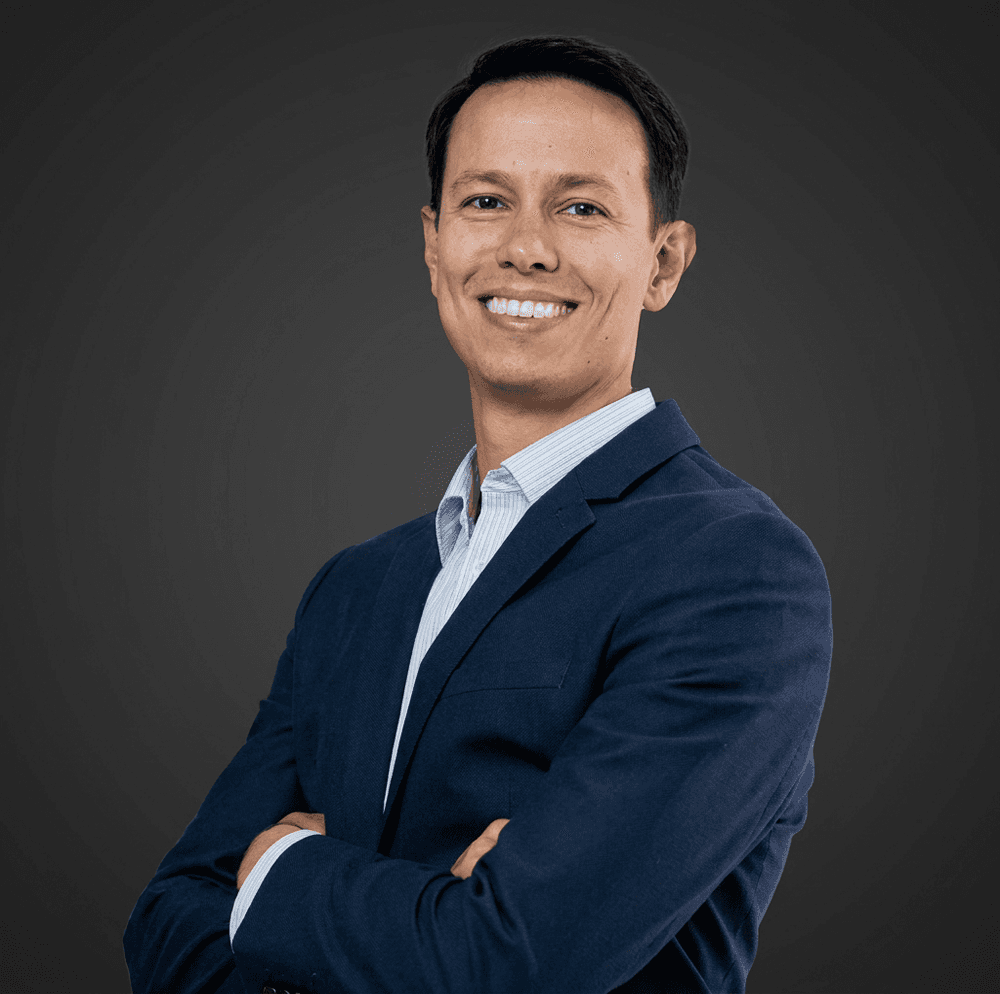
Family Medicine (USA)
Dr. Richard Barfell
Continuity of care specialist. Oversees patient panel management.

Public health
Dr. Doniyor Karimov, MD, MPH
Public health specialist. Modules in epidemiology and preventive medicine.
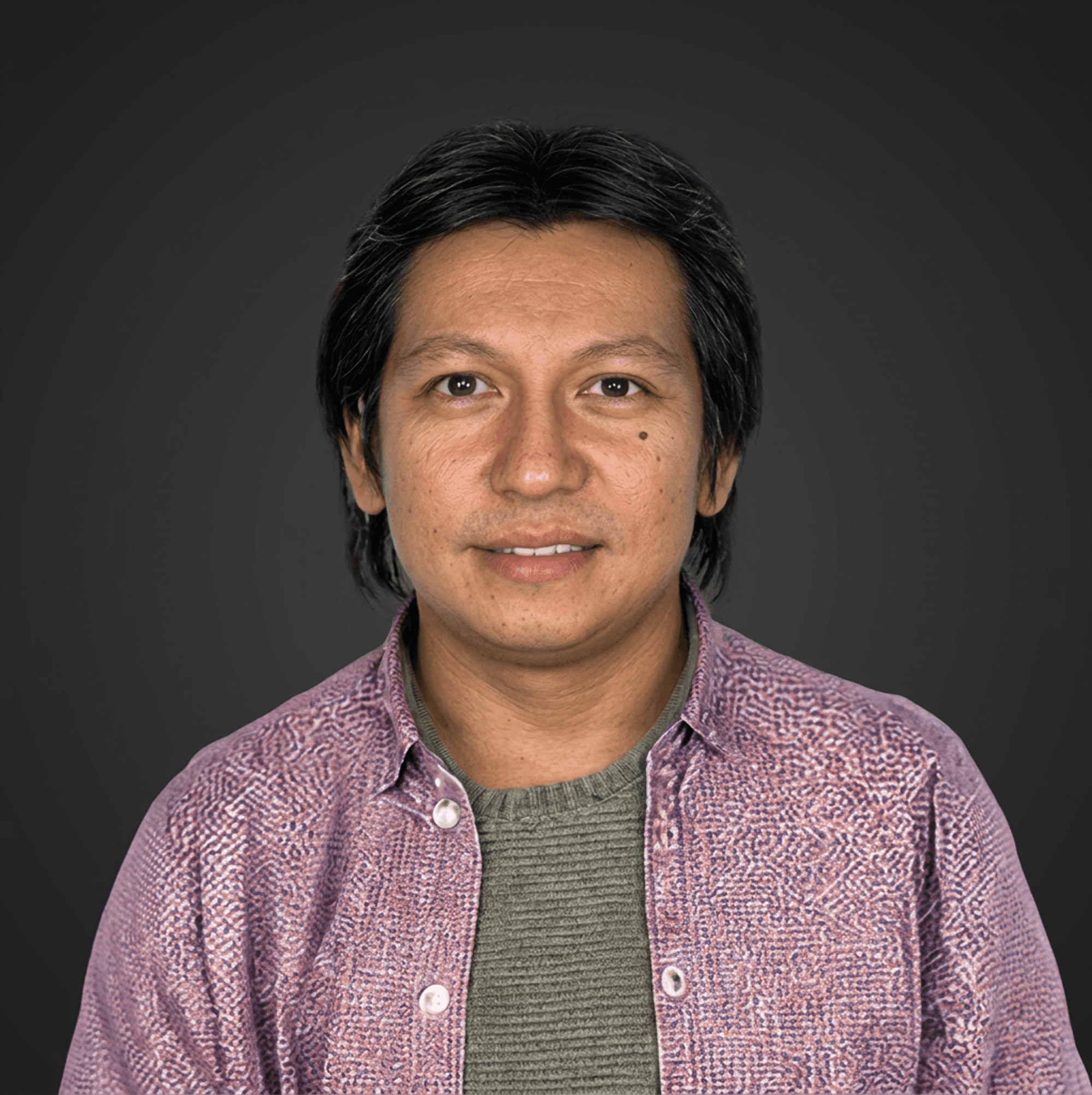
Program Ethics
Adkhamjon Mamatkulov, MD
20+ years in epidemiological surveillance. KOICA Consultant. Worked with WHO, CDC.

Family physician
Viktor Kim, MBBS, PGDFM
Practicing family physician. Director of the Green Lukas Clinic (Tashkent). Graduate of the international Post Graduate Diploma in Family Medicine (PGDFM) program, implemented jointly by Loma Linda University (USA), Christian Medical College Vellore (India), and ICMDA (2025).

Applications for the Family Medicine Residency Program 2026–2028 have been extended.
80 seats, some already taken. Final deadline — 31 August 2026, 23:59. No further extensions.
00:00:00:00
Applications for the 2026–2028 Family Medicine Residency Program are now open.
80 spots. The application deadline is limited. Deadline is August 25, 2026.
00:00:00:00
Applications for the 2026–2028 Family Medicine Residency Program are now open.
80 spots. The application deadline is limited. Deadline is August 25, 2026.
00:00:00:00
Applications for the 2026–2028 Family Medicine Residency Program are now open.
80 spots. The application deadline is limited. Deadline is August 25, 2026.
00:00:00:00
Applications for the 2026–2028 Family Medicine Residency Program are now open.
80 spots. The application deadline is limited. Deadline is August 25, 2026.
00:00:00:00
Information for Candidates
Information for Candidates
Information for Candidates
Who is eligible to apply for the program?
Applications are accepted from graduates of medical bachelor's programs in "General Medicine", "Pediatrics", and "General Medicine". The minimum acceptable GPA is 2.7. Completion of an internship is not a mandatory requirement. Degrees in paramedical fields are not accepted for consideration.
Who is eligible to apply for the program?
Are grants or scholarships available?
Are grants or scholarships available?
What is the language of instruction?
What is the language of instruction?
Where does the clinical practice take place?
Where does the clinical practice take place?
Is job placement assistance provided for graduates?
Is job placement assistance provided for graduates?
What documents are required to submit an application?
What documents are required to submit an application?
What is the procedure for the competitive selection?
What is the procedure for the competitive selection?
In which language are the entrance examinations conducted?
In which language are the entrance examinations conducted?
Is it possible to continue education after completing the program?
Is it possible to continue education after completing the program?
What are the refund terms and conditions upon withdrawal?
What are the refund terms and conditions upon withdrawal?
How do I apply for the program?
How do I apply for the program?

We're here at every step.
Ask questions, clarify requirements, and submit your documents — the admissions team is ready to guide you.
We're here at every step.
Ask questions, clarify requirements, and submit your documents — the admissions team is ready to guide you.
We're here at every step.
Ask questions, clarify requirements, and submit your documents — the admissions team is ready to guide you.